Those White Rings That Won't Wash Off
You wash your car, it looks great, and by the next morning there are faint white rings all over the hood and windows. Or the sprinklers hit the side of the car overnight and left a dotted pattern that soap doesn't touch.
Those are hard water spots, and Los Angeles is one of the worst places in the country for them.
Why LA Water Is So Hard on Cars
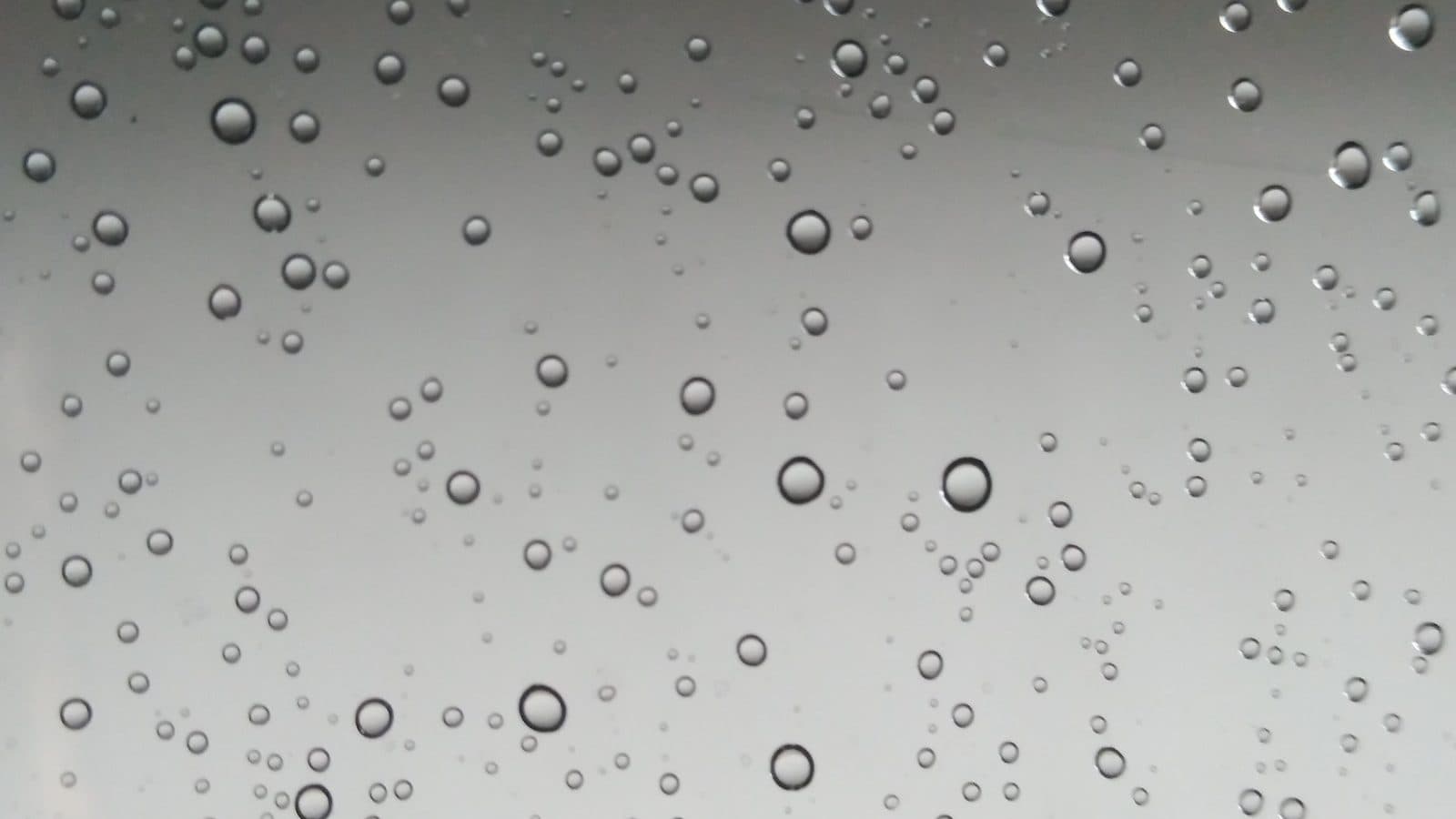
Southern California's water is mineral-heavy — rich in calcium and magnesium. Water itself evaporates cleanly. The minerals don't. When a droplet dries on your paint, it leaves a ring of mineral deposits behind exactly where it sat.
Add LA's sun and the problem speeds up. A hot panel evaporates water in minutes, leaving dense mineral rings before you can wipe them away.
The Three Stages of Water Spotting
Stage 1 — Surface deposits. Fresh mineral rings sitting on top of the paint. They feel slightly rough and look like faint white outlines. A proper wash with a mineral-removing product takes these off.
Stage 2 — Bonded deposits. Spots that have sat for days or weeks through heat cycles. Minerals start bonding to the surface. Regular soap won't touch them; they need a dedicated water spot remover or decontamination.
Stage 3 — Etching. Left long enough — especially in sun — minerals etch into the clear coat itself, leaving a crater-like ring in the paint. At this point, no cleaner removes them. The paint has to be machine polished to level out the etching.
The takeaway: the faster you deal with water spots, the cheaper they are to fix.
Most Common Sources
- •Lawn sprinklers — the biggest offender for cars parked in driveways or on the street
- •Air-drying after a wash — letting the car drip-dry in the sun
- •Washing in direct sunlight — water evaporates before you can dry it
- •Building or parking-garage drips — mineral-rich water falling from above
- •Rain followed by sun — rain picks up dust and pollutants that dry into spots
How to Remove Fresh Water Spots
- 1.Wash the car in the shade with a pH-neutral shampoo
- 2.Use a dedicated water spot remover designed for automotive paint, following the label
- 3.Work one small section at a time and wipe off fully — don't let the product dry
- 4.Rinse and dry thoroughly with a clean microfiber towel
- 5.Apply protection afterward (detail spray, sealant, or coating) so new spots release more easily
Avoid vinegar-heavy home remedies on paint unless you know exactly what you're doing — acids left on too long can damage trim and coatings.
Water Spots on Glass
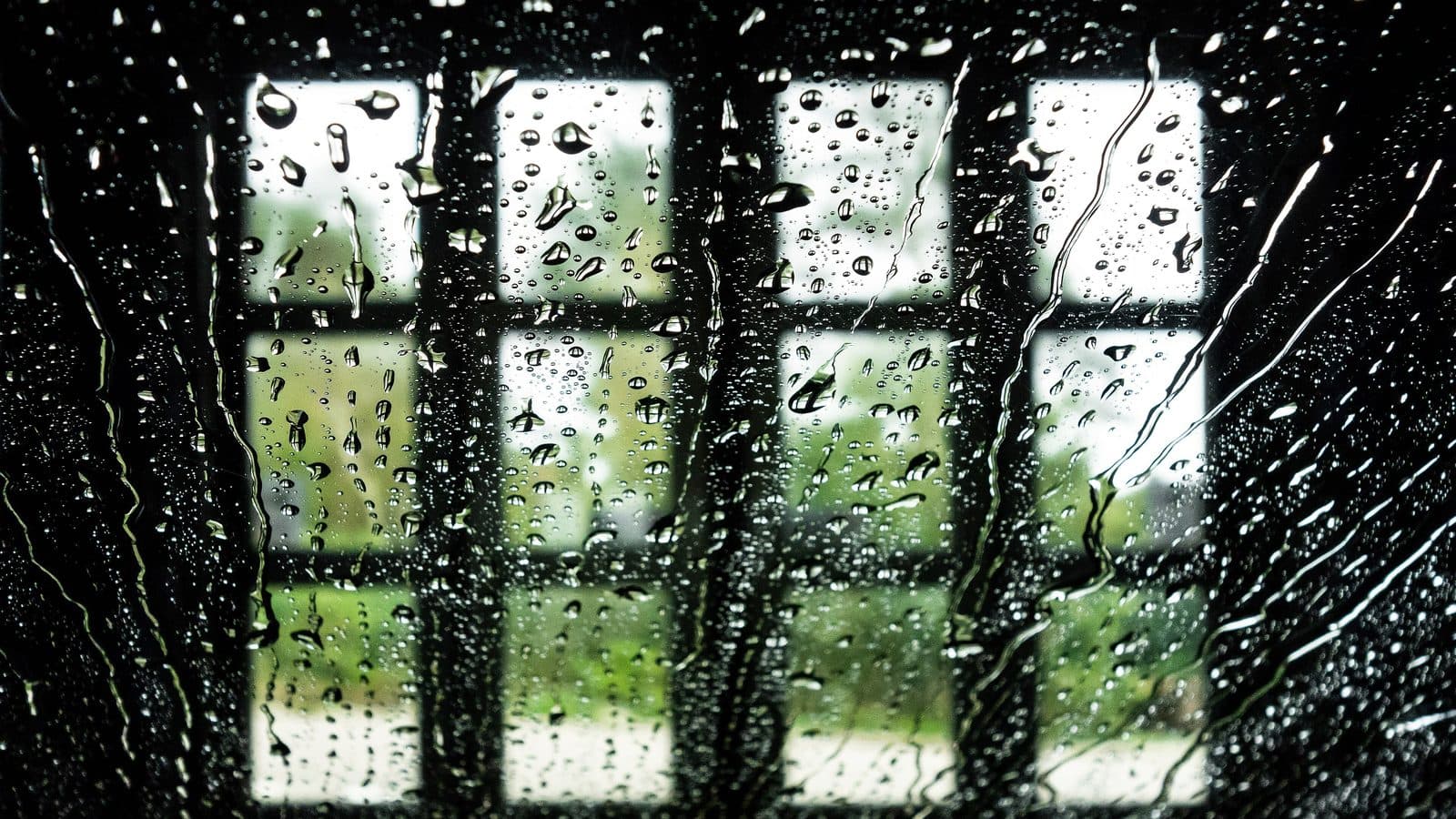
Glass spots are often worse than paint spots because people ignore them longer. Heavy mineral buildup on windows reduces visibility, especially driving into a sunset. Glass can usually handle more aggressive spot removers than paint, and badly etched glass may need a glass polish.
How to Prevent Them
- •Keep the car out of sprinkler range, or adjust sprinkler heads away from the driveway
- •Never let the car air-dry. Dry it completely with a plush microfiber towel after every wash
- •Wash early or late in the day when panels are cool
- •Protect the paint. Wax, sealant, and especially ceramic coating make water bead and roll off instead of sitting flat and drying in place
A ceramic coating doesn't make a car immune to water spots, but it makes them far easier to remove before they etch — and it reduces how much water sits on the paint in the first place.
When to Call a Professional
If spots are still there after a proper wash and spot remover, or you can feel rings in the paint with your fingertip, they've likely bonded or etched. That needs decontamination or polishing, not more scrubbing.
We bring our own water supply to every appointment and dry every vehicle by hand, so no water is left sitting on the paint to spot. Book a detail or call (310) 692-4495.
About DG Detailing
DG Detailing is Los Angeles's premier mobile auto detailing service — 6+ years, 1,500+ vehicles, hand-wash only. We serve LA, Marina Del Rey, Santa Monica, Culver City, Venice Beach, Playa Vista, and Brentwood.