Two Products People Constantly Mix Up
When someone in Los Angeles starts researching paint protection, they run into two terms within about five minutes: ceramic coating and PPF (paint protection film). Both promise to "protect your paint." Both are sold by detail shops. And a lot of people assume they're competing versions of the same thing.
They aren't. They protect against different kinds of damage, and choosing the wrong one for how you actually drive is the most common regret I hear about. Here's the plain-English breakdown.
What Ceramic Coating Is
A ceramic coating is a liquid that chemically bonds to your clear coat and cures into a hard, slick, glass-like layer. Once it's on, it becomes part of the paint's top surface rather than sitting on top of it like wax.
What that layer does well:
- •Gloss and depth: coated paint looks wet and reflective, and it holds that look for years instead of weeks
- •UV resistance: a real barrier against the fading and oxidation LA sun causes on cars that park outside
- •Chemical resistance: bird droppings, tree sap, and hard water have a harder time etching into the clear coat
- •Easy cleaning: dirt and water slide off a hydrophobic surface, so washes are faster and safer
What it does not do: stop rock chips, door dings, or deep scratches. A coating is measured in microns. It's a chemical shield, not armor.
What PPF Is
Paint protection film is a clear, thick urethane film applied to painted panels — most often the front bumper, hood, fenders, and mirrors. It's a physical layer you could peel off if you had to.
What film does well:
- •Impact protection: it absorbs rock chips, gravel, and road debris that would otherwise chip through to primer
- •Scratch resistance: many modern films "self-heal" light scratches with heat from the sun or warm water
- •Preserving original paint: under the film, factory paint stays untouched
The trade-offs: PPF costs significantly more than a coating, especially for full-body coverage, and the install is specialist work. Edges and seams can be visible up close on some panels, and film that isn't top quality can yellow or lift over time.
The Real Question: What Damages Your Car?
Think about where your paint damage actually comes from.
If most of your driving is surface streets — Westside commutes, Culver City to Santa Monica, errands in Brentwood — your paint's biggest enemies are sun, bird droppings, sap, water spots, and wash-induced swirls. That's exactly what ceramic coating is built for.
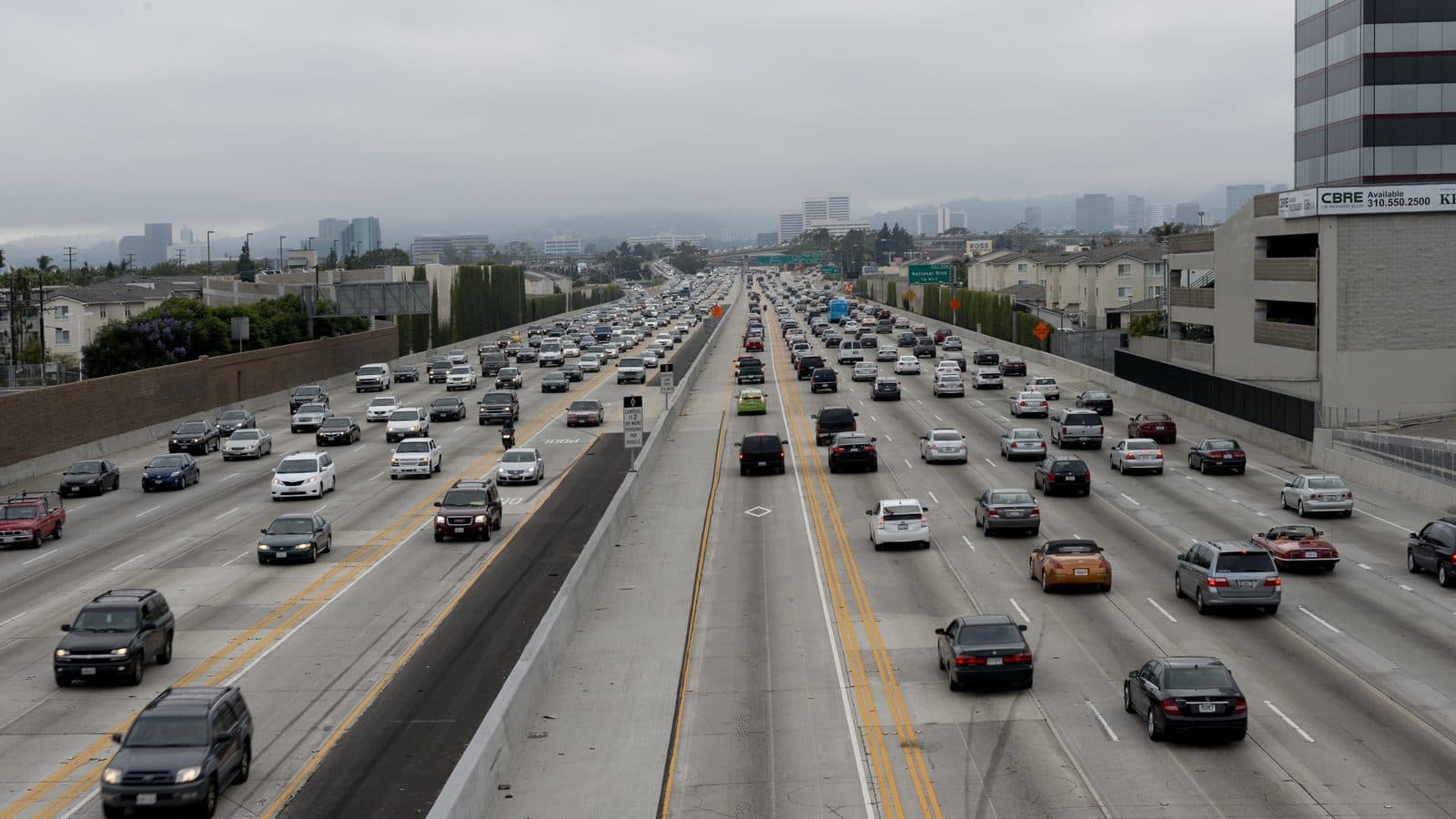
If you put serious freeway miles on the car — the 405, the 10, the 101 at speed behind trucks — rock chips on the front end become a real problem. Ceramic coating won't stop those. Film on the front-facing panels will.
If you're protecting a high-value or brand-new car long-term, the front-end chip risk and the sun-and-contamination risk both matter, and that's where combining them makes sense.
Cost Comparison in Los Angeles
Pricing varies by shop and vehicle, but the gap between the two is consistent:
| Protection | Typical LA price range | Lifespan |
|---|---|---|
| Ceramic coating (full car) | About $750–$1,700 | Rated 5–7 years |
| PPF front end only | Commonly $1,500–$2,500+ | Often 7–10 years |
| PPF full body | Commonly $5,000+ | Often 7–10 years |
Our own ceramic coating pricing starts at $750 for a coupe with a 5-year coating and runs to $1,710 for a truck or large SUV with a 7-year coating — it's all listed on our ceramic coating page. PPF numbers above are general market ranges; get a written quote from a film specialist for your exact car.
Can You Have Both?
Yes, and for a lot of new-car owners it's the best combination. The usual approach is PPF on the high-impact front panels, then ceramic coating over the entire car — including over the film, which keeps it glossy and easier to clean.
The order matters: film goes on first, coating second. If you're planning both, tell your coating installer about the film so they use a coating that's safe for it.
What Most LA Drivers Actually Need
Honestly? For the majority of daily drivers we see across Los Angeles, ceramic coating covers the damage that actually happens. The paint problems we fix most often are sun fade, water spotting, bird-dropping etching, and swirl marks from bad washes — not rock chips.
Choose ceramic coating if you want long-term gloss, UV protection, and easier washing at a reasonable price.
Choose PPF (at least on the front end) if you drive a lot of freeway miles, have a performance car with a low front bumper, or simply can't tolerate chips on a new car.
Choose both if you're keeping a new or high-value car for years and want the most complete protection available.
How LA Conditions Change the Answer
Los Angeles is hard on paint in specific ways, and they lean toward one product or the other:
- •Year-round sun. UV fades and oxidizes unprotected clear coat, especially on cars parked on the street or in open lots. A coating's UV resistance does most of the work here, and it covers every panel, not just the front end
- •Coastal salt air. In Marina Del Rey, Venice Beach, Santa Monica, and Playa Vista, a salty film settles on cars overnight. A coating's slick surface makes that film rinse off instead of sitting on the paint
- •Hard water and sprinklers. Mineral spots etch unprotected paint. Coatings resist that etching better and make spots easier to remove before they set
- •Freeway debris. The 405, the 10, and the 110 throw gravel at highway speed. Only film absorbs that impact
- •Tight street parking. Door dings and bumper scuffs in Westside parking happen to everyone. Neither product prevents dents, but film can absorb light scuffs on the panels it covers
Frequently Asked Questions
Does ceramic coating replace PPF?
No. They overlap on gloss and easy cleaning, but only film stops rock chips. A coating protects against chemical and UV damage; film protects against physical impact.
Can you put ceramic coating on top of PPF?
Yes — it's a common combination. The coating keeps the film glossy, makes it easier to clean, and helps resist staining. Use a coating that's compatible with film, and apply it after the film has been installed.
Which one lasts longer?
Quality film is often rated for seven to ten years. Our ceramic coatings are rated for five or seven years. Real-world life for both depends on how the car is stored and washed.
Is either worth it on a leased car?
For a short lease, usually not a full-body investment. Some drivers add front-end film or a coating to protect against lease-return charges for chips or faded paint, but compare the cost against your lease terms first. Our lease return checklist covers the alternatives.
Will either one hide swirls or scratches already in my paint?
No. Both are clear and both lock in what's underneath, which is why paint correction comes first.
Before Any Protection Goes On
Whichever you choose, the paint underneath has to be clean and corrected first. Coating or film applied over swirls and contamination locks those flaws in. That's why our coating process starts with a decontamination wash, clay bar, and machine polish before a single drop of coating goes on.
Not sure which fits your car and driving? Book a consultation or call (310) 692-4495. We'll look at your paint and tell you honestly what it needs — even if the answer is "not a coating yet."
About DG Detailing
DG Detailing is Los Angeles's premier mobile auto detailing service — 6+ years, 1,500+ vehicles, hand-wash only. We serve LA, Marina Del Rey, Santa Monica, Culver City, Venice Beach, Playa Vista, and Brentwood.